
 |
|
|
|
|
|
 |


 |
What size in-line fuse would work for some lights |
 |

|
 |

|
(#1)
|
|
A Horse's Ass
Offline
Posts: 1,065
Join Date: Oct 2007
Location: Spokane WA
|
What size in-line fuse would work for some lights -
11.29.2008, 12:57 AM
Tis the season for odd projects.
Work was getting ready to excess a bunch of electric parts they don't use anymore. Including some small bulbs, leds, capacitor, resisters, switches, etc. Some pretty cool stuff if your into that, I am but don't know enough about it yet. I jumped in to give the parts a second chance. Instead of the usual small flashlight duct taped to the body. I thought I would hook up some lights for the RCs so I could tell if they are coming or going. Get's dark a little after 4pm now. Not a lot of daylight after work. I was going to take the 8ight out test it out in the snow we got today (the LS10 did great). I thought I better cover up the couple of bulds connections real quick. Grabbed the hot glue gun and covering them up. All was good until I plugged everything in before the last ones hot glue had time to fully dried and poof. I thought I freid something down the line. Everything turned out to stll work (ESC, BEC, Receiver, servo) except my lights. Finally to my question. If I install an inline fuse in the lights connection wire right before it connects into the power source. Would it have blow before doing any damage to the electric parts or battery when I shorted it out? If yes it would protect them. Then what size fuse would be appropriate? Is there a formula that should be used to determine what size amp fuse? Should it be installed on the positive or negative side? Does it matter? |
|
|

|
 |
 |
 |
|
|
|
|
|
|
(#2)
|
|
A Horse's Ass
Offline
Posts: 1,065
Join Date: Oct 2007
Location: Spokane WA
|
11.29.2008, 04:02 AM
Was thinking.....
If the lights short out it should blow one of the bulbs or leds right? If that happens then the circut is closed. Thus the bulb or led act as fuses. Right?.?.? I had a feeling this new addition to BrianG's fleet was going to get in the way of my hobby. 
|
|
|
|
|
|
|
|
|
|
|
|
|
(#3)
|
|
RC-Monster Square Tube

Offline
Posts: 1,367
Join Date: Jun 2008
Location: CNY
|
11.29.2008, 09:37 AM
I used some prewired leds that came in a 4-pack. I got mine at Advance Auto. Thy come in white, red, green, violet and amber- 8 or 9 bucks for 4 and they already have the proper resistor so they'll work on anything over 6 volts. If you're worried about water, just a little silicone caulk over the back and no worries. Pep Boys and Auto Zone have a decent selection too, you may be able to find the mini bricks that have 5 or more leds for even more light with less wiring.
Don't overcomplicate things :D My Videos: http://vimeo.com/user2236105/videos |
|
|
|
|
|
|
|
|
|
|
|
|
(#4)
|
|
RC-Monster Admin

Offline
Posts: 14,609
Join Date: Nov 2005
Location: Des Moines, IA
|
11.29.2008, 02:11 PM
Wiring LEDs takes a little math.
Each LED has a Vf value, which is the amount of voltage it will drop when "on". They also have an "If" value, which is the amount of current it needs to light up. You use these values along with the supply voltage to determine the current limiting resistor to use. Actually, it's better to use a transistor configured as a CC source to compensate for fluctuating supply voltage, but that's a different story. Without some way to limit the current through the LED, it WILL blow. A fuse won't help because 1) they are rated higher than the typical 0.025A an LED consumes so the LED will fry before the fuse does, and 2) a fuse is basically a wire and the circuit will still do the same thing. Like redshift said, it's best to get premade ones in this case. |
  |
|
|
|
|
|
|
|
|
|
|
(#5)
|
|
|
A Horse's Ass
Offline
Posts: 1,065
Join Date: Oct 2007
Location: Spokane WA
|
11.29.2008, 04:52 PM
Quote:
That takes hobby out of hobby. That would be like buying revo already converted instead of using all the part you already have to convert your own. No challange, no appreciation for what you've done, and you didn't learn nearly as much as if you done it yourself. That's just me. I like to try and adapt things to fit other purposes. It would be hard to go out and buy new lights when you have all of these play with. 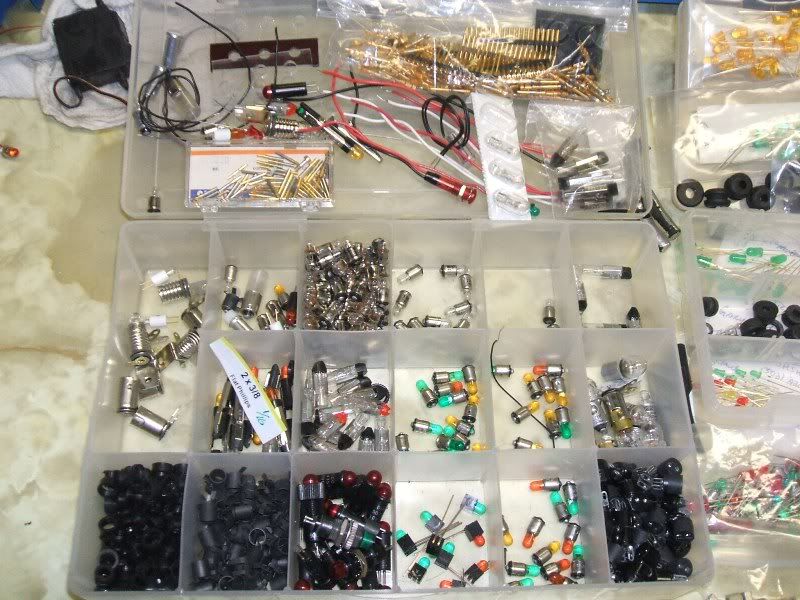 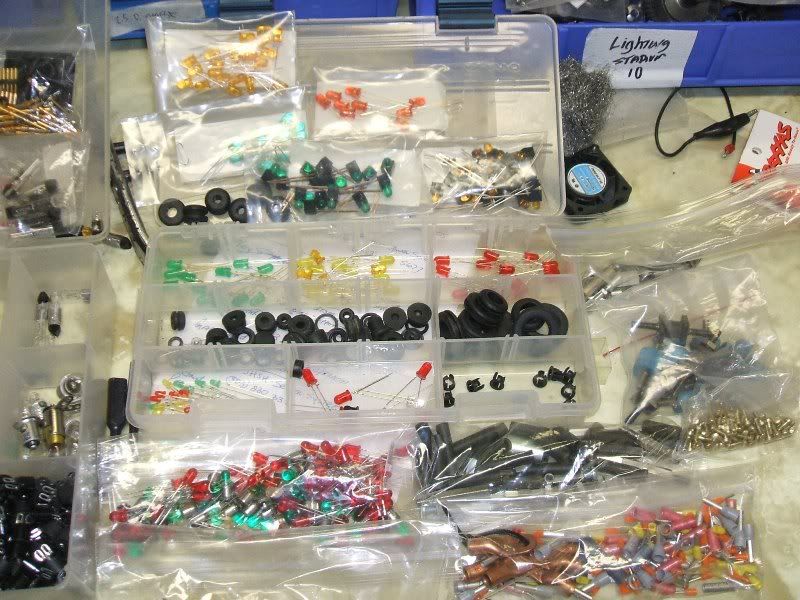 I used the (Vs-Vd)/i to come up with what resistors to use on the various led and lights I set up. They do dim a small bit but they a least tell me which way it's going. Pictuers don't do them justice. They look real pretty cool at night. Quick set of light on the 8ight 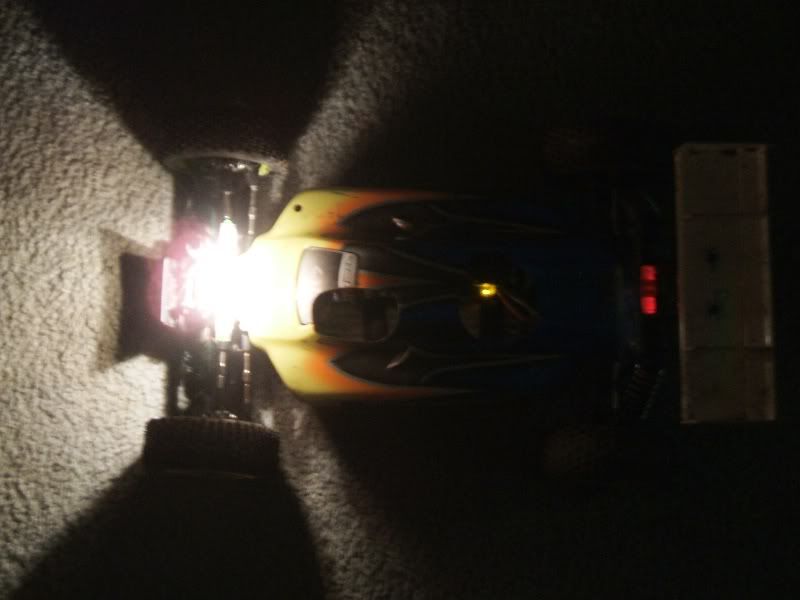 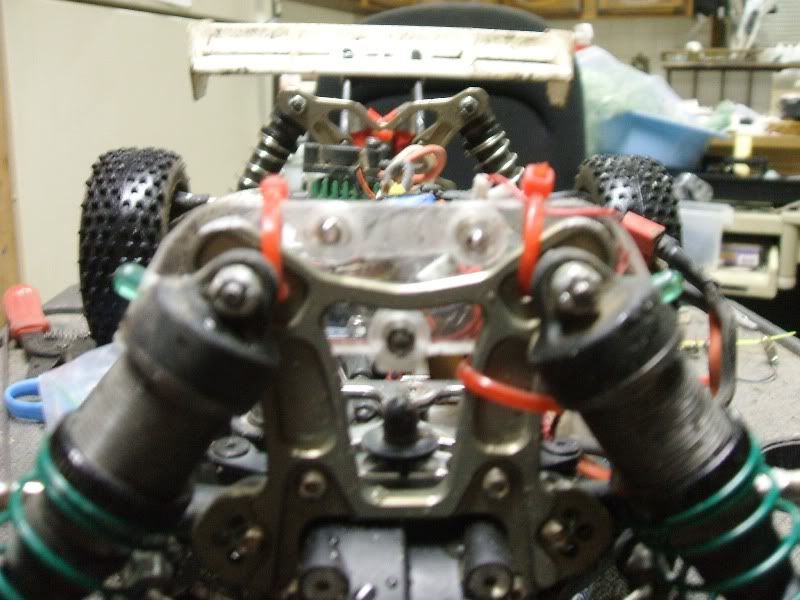 Something different on the new rustler chassis 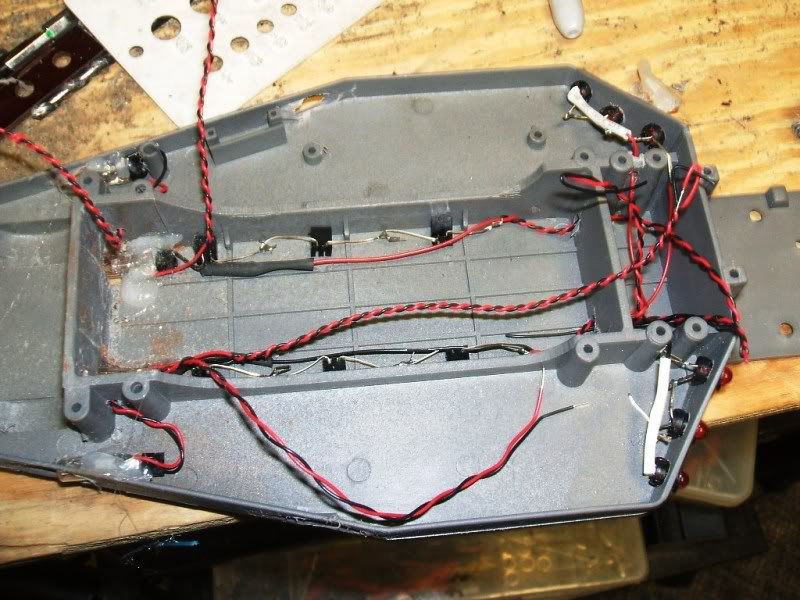 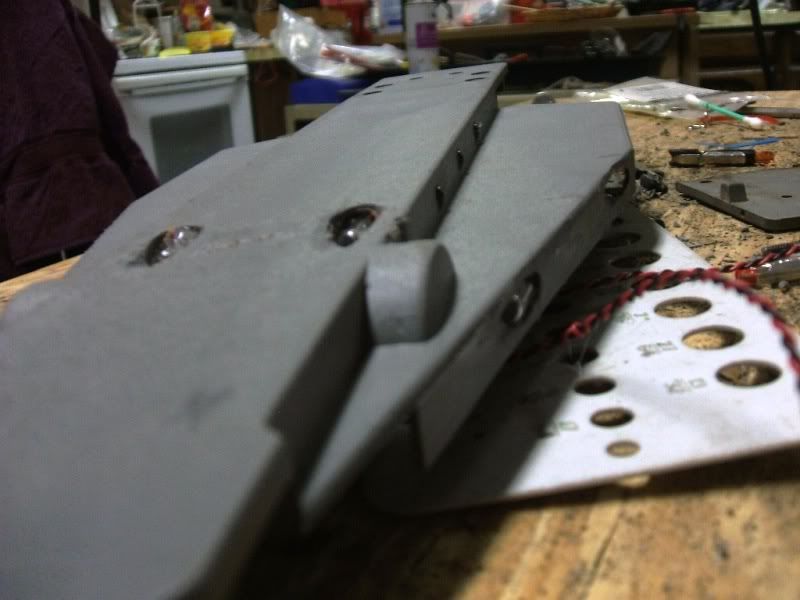 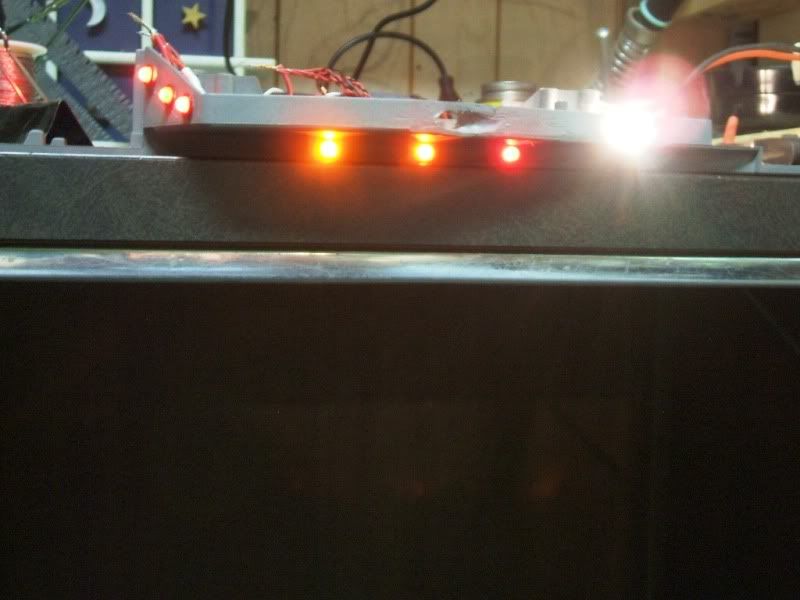 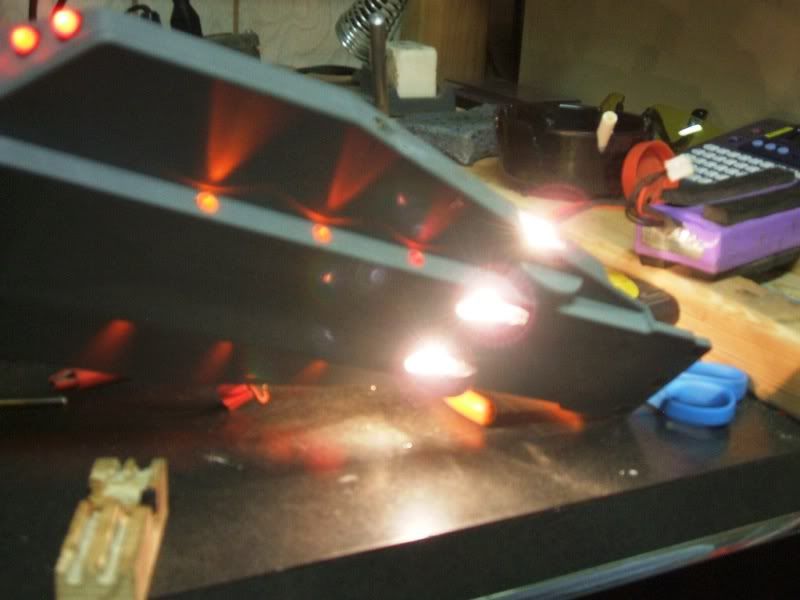 Emaxx setup - also doubles on the slash at night. 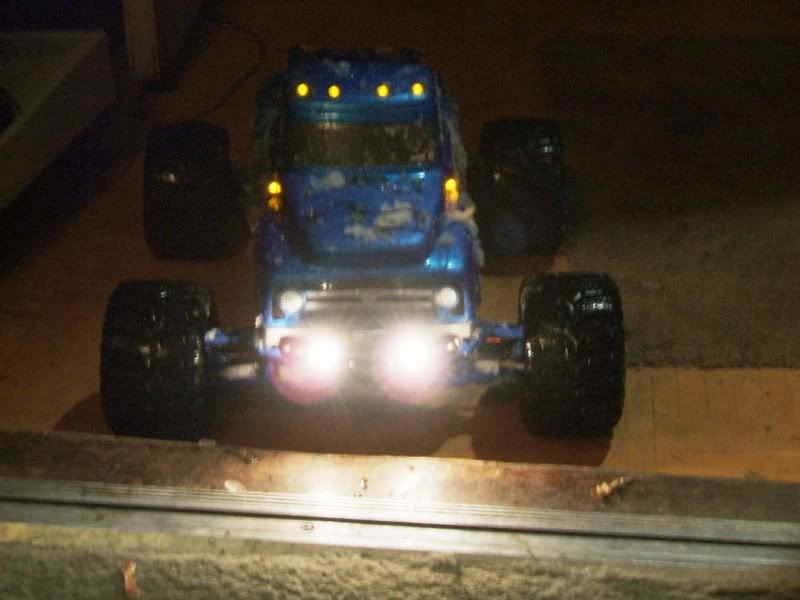 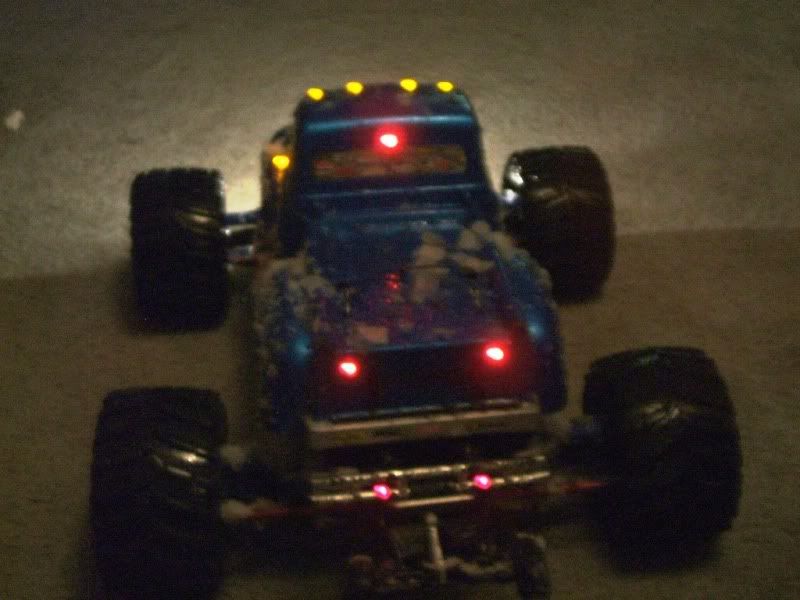 Thanks for the verification on the setup. Sounds as if the LED is the smallest fuse I could get. I can work with that. |
|
|
|
|

|
|
|
|
|
|
|
|
|
(#6)
|
|
RC-Monster Square Tube
Offline
Posts: 1,367
Join Date: Jun 2008
Location: CNY
|
11.29.2008, 08:48 PM
"no challenge... no appreciation"
Hey wait a minute. I had to drill holes! Yeah I'm no guru with ohms n stuff (other than audio) so I took the easy route. You should have mentioned you have millions of dollars in leds first lol. Really I'm ok with this part of the project being done for me, blasphemy I know.... but I guess if you wanted it fused you could use a 30 amp-er, seeing as your vehicle will likely be made out of leds entirely. :) My Videos: http://vimeo.com/user2236105/videos |
|
|
|
|
|
|
|
led lights |
|
|
|
|
|
(#7)
|
|
RC-Monster Carbon Fiber

Offline
Posts: 75
Join Date: Apr 2008
|
led lights -
11.30.2008, 03:20 PM
easy and cheap way is to use a led cycle light . i got mine from a doller store . then used some old computer ethernet cable . unsolder the leds from the flasher board hot glue in your r/c shell the solder the Ethernet cable to wear the led contacts were , and then to the leds , . the advantages are it is self powered buy to AA, cells , has a permanent on or 7 multi flash rates , very easy to do and cheap ,....here is a video of one i installed in my truck shell ,,....

|
|
|
|
|
|
|
|
|
|
|
|
|
(#8)
|
|
RC-Monster Carbon Fiber
Offline
Posts: 75
Join Date: Apr 2008
|
11.30.2008, 03:23 PM
and here is the unit hot glued in the shell ....
 ......... .........
|
|
|
|
|
|
|
 |
«
Previous Thread
|
Next Thread
»
| Currently Active Users Viewing This Thread: 1 (0 members and 1 guests) | |
 Linear Mode

|
|

Powered by vBulletin® Version 3.8.11
Copyright ©2000 - 2026, vBulletin Solutions Inc.
vBulletin Skin developed by: vBStyles.com
Copyright ©2000 - 2026, vBulletin Solutions Inc.
vBulletin Skin developed by: vBStyles.com
